
Raid night, planned before the first pull
Rosters, start times, loot rules and recaps for a small World of Warcraft guild. Notes from the raid leader, written to be reused on your own night.
Fresh from the raid log
-
When Paladins Cast Divine Intervention: The Tragic Sacrifice That Saved Raids from Enormous Repair Bills
In the world of MMORPGs, particularly in titles like World of Warcraft, the Paladin’s ability to cast Divine Intervention (DI) has been a game-changer for raid groups. This powerful spell not only prevents a player from dying but also serves as a strategic tool to mitigate repair costs and maintain raid efficiency. Understanding when and…
-
Vault Full of Low Choices? How a Mythic Plus Boost Unlocks Slots Faster and Ends the Cycle of Dead Keys
Many players find themselves frustrated with a Great Vault that offers low-quality choices each week. This often results from either not completing enough Mythic+ keys or running keys that are too low to yield valuable rewards. This guide will explore how a Mythic Plus boost can help you unlock your vault slots more efficiently, ensuring…
-
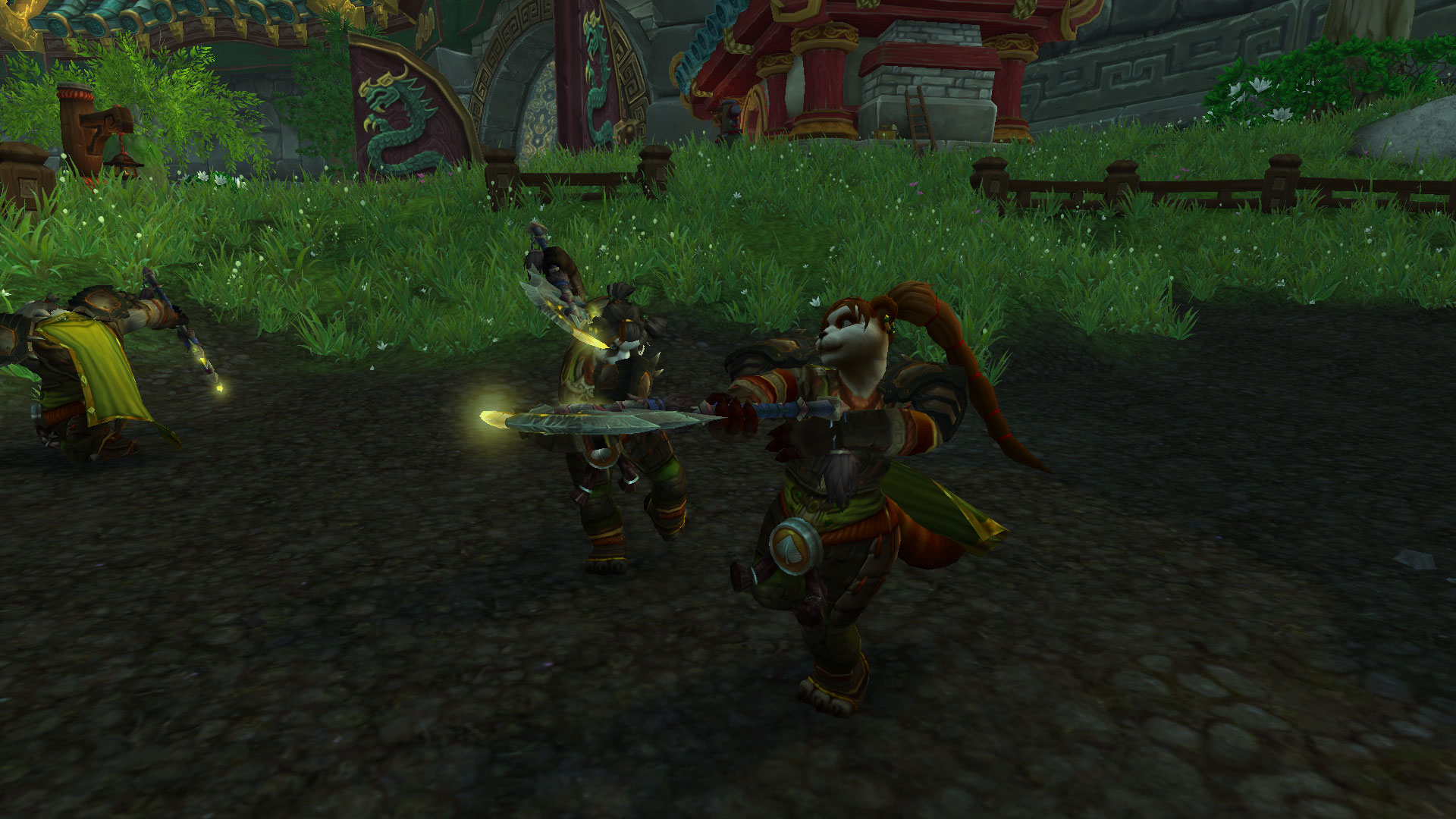
Pandaria Mistweaver Monks: Fistweaving and Mana Tea Management in World of Warcraft Pandaria – Quick Reference Guide
Pandaria’s Mistweaver Monks offer a unique healing style that blends traditional healing with melee combat, known as fistweaving. This guide delves into the intricacies of fistweaving and the effective management of Mana Tea, a crucial resource for sustaining your healing output. Understanding these mechanics can significantly enhance your gameplay experience and effectiveness in raids and…
How a raid night comes together
Pick the night
Ask for two protected evenings and fix one start time and one stop time.
Fill the roster
Confirm twice, name a backup for tank and healing, and post the composition.
Pull and recap
Change one thing per attempt, then write down what killed the group and what worked.
What the planner covers
Three habits that keep a small guild raiding week after week.
📅
Honest rosters
Who is in, who is on the bench and who can flex into another role.
🎒
Clear loot rules
One written rule, applied the same way to every raider.
📝
Short recaps
Five minutes after the last pull so next week starts from facts.
Building a Mythic raid night around a small roster
A small guild does not lose raid nights to hard bosses. It loses them to a half-confirmed roster, a late start and an argument about who gets the trinket. Everything below is the routine I use to keep an evening of Mythic progress moving, written for groups that field twenty players on a good week and fifteen on a bad one.
Start from the calendar, not the boss list
Pick the night before you pick the encounter. Ask every raider for the two evenings they can protect, then choose the one that leaves the most people with a clear head and a full hour of runway. A group that logs in relaxed at the agreed minute will outperform a stronger group that trickles in over twenty minutes, because the first hour is when most of your wipes get learned from.
Write the start time and the stop time in the same message. A hard stop gives people permission to commit, and it keeps the last pull of the night from turning into a coin flip over who is still awake.
Build a roster that survives a missing tank
Every guild has a week where the main tank is travelling. Plan for it. Keep a short bench list with one name per role, and note which raiders can flex into a second spec without gear drama. Two flexible players are worth more than a fifth healer who only plays one way.
- Confirm the roster two days out, then again on the morning of the raid.
- Keep one named backup for tank and one for healing.
- Agree who covers interrupts and dispels so the callouts are not invented mid-pull.
- Post the group composition before the invite, not after the first wipe.
Pull order and the first hour
Warm up on a boss you already kill. It checks consumables, addons and voice chat in a setting where a mistake costs nothing. After that, move to the progress boss while attention is highest. Save the cleanup trash and the loot trading for the end of the night, when nobody is asking for fresh mechanics.
During progress, change one thing per attempt. If you adjust cooldown timing, positioning and the soak rotation all at once, a better pull teaches you nothing. Keep a running note of what changed and what the result was; it takes ten seconds and saves the post-raid debate.
Callouts and voice discipline
Choose one caller per phase and tell the room who it is. Everyone else keeps voice chat clear except for their own assignment. Short phrases beat clever ones: say the position, the timing and the name, then stop talking. If a raider has a question, it goes in text chat and gets answered at the next reset between pulls.
Review the recording or the logs once, away from the raid. Look for the three deaths that happened earliest, because those usually share a cause, and fix that cause before touching anything else on the list.
Handling the night that goes badly
Some evenings produce nothing but wipes. Decide in advance what the exit looks like: after a set number of attempts without a new best phase, switch to a farm boss, run the cleanup, or call it early and spend the time on gear and enchants instead. Ending on a clean kill keeps the group coming back on the next raid day, and it gives the officers a calm moment to adjust the plan.
Loot rules written down before the first kill
Loot disputes are cheap to prevent and costly to repair. Put the rule where everyone can read it, say whether it is council, priority list or personal loot with trades, and apply it the same way to officers and new recruits. When the rule is boring, the raid stays friendly.
When the roster is short: using outside help
Sometimes the calendar simply does not deliver enough bodies, and a guild still wants its raiders to see the later wings. For those weeks, some groups bring in an experienced team through a WoW Mythic Raid Carry booking, so the regulars can walk the encounters and learn the order of events while the roster rebuilds. Treat it as a learning aid: watch the pulls, note the timings, and bring the notes back to your own raid night.
Close the night with a short recap
Spend five minutes at the end on three questions: what killed us, what worked, and who needs what next week. Post the answers in the guild channel and pin them. The next raid leader, which may be you with a head cold, will thank the person who wrote it down.
A good raid night is mostly logistics that nobody notices. Get the date right, the roster honest and the loot rule clear, and the bosses become the easy part of the evening.