
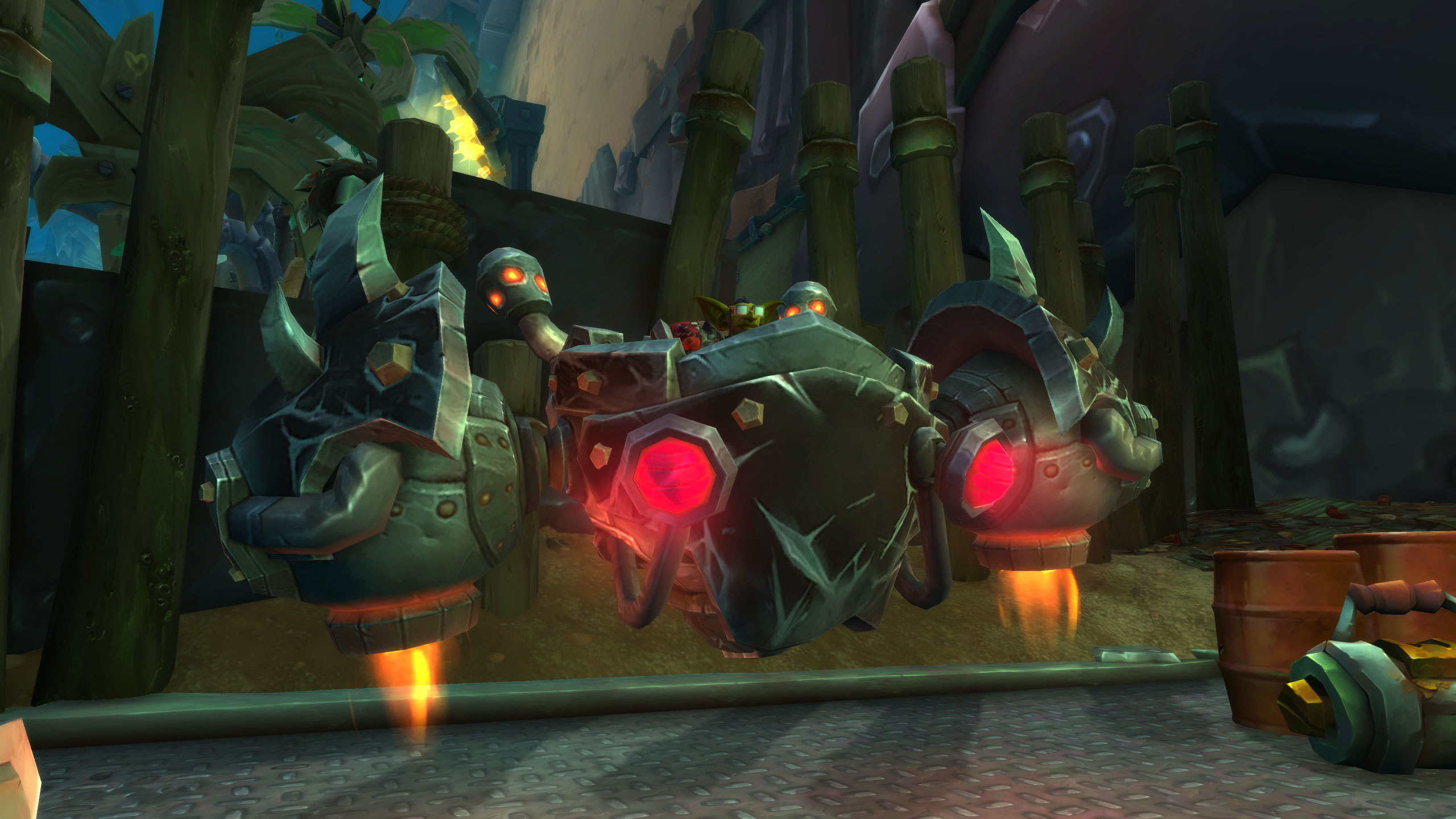
Solo endgame content has grown far beyond casual side activities. Modern designs introduce high-risk challenges that scale dynamically, testing player skill, preparation, and adaptability without the safety net of a group. These experiences offer meaningful progression while preserving the tension normally found in coordinated content.
This evolution has turned solo play into a legitimate endgame path rather than a fallback option.
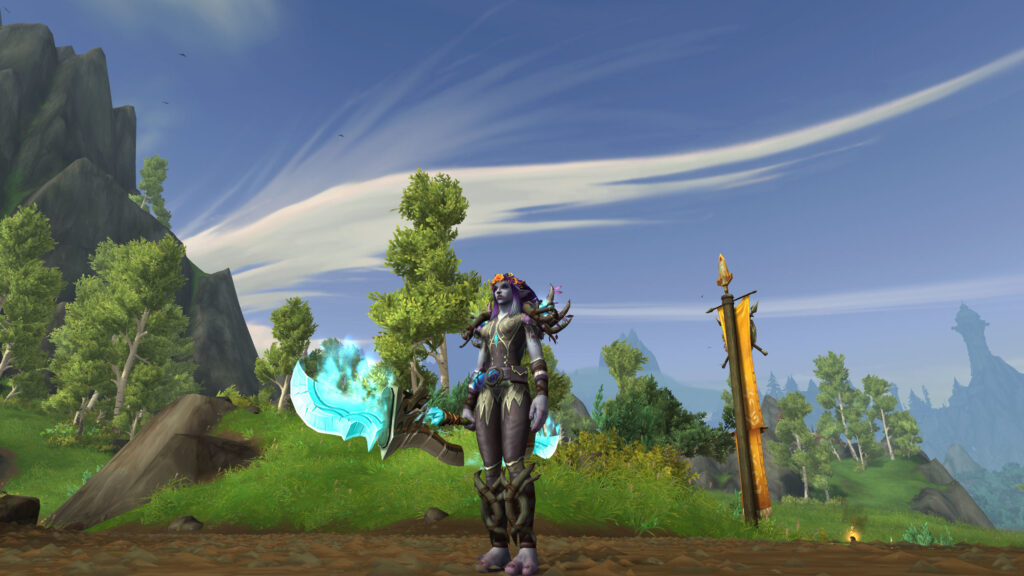
From Casual Tasks to Serious Endgame Tests
Earlier solo activities focused on accessibility and time-filling objectives. Difficulty was limited, and failure carried minimal consequence, making these activities low pressure.
Modern solo content rejects that approach. Encounters now demand precise execution, proper builds, and knowledge of mechanics, placing individual performance at the center of success.
Scaling Difficulty as a Core Design Pillar
Scaling systems allow solo content to remain relevant across skill levels. As players improve, the challenge responds, preserving tension and preventing content from becoming trivial.
This ensures that mastery, rather than gear alone, defines progression.
Risk–Reward Structure in Solo Challenges
High-risk mechanics are central to modern solo design. Failure often means restarting or losing progress, increasing emotional investment in every attempt.
- Limited recovery windows after mistakes
- Strict timing or survival checks
- Escalating enemy pressure over time
- Minimal margin for execution errors
This structure rewards patience and consistency rather than brute force.
Build Choice and Personal Optimization
Solo challenges highlight the importance of build decisions. Survivability, sustain, and control often matter more than raw output, pushing players to rethink standard setups.
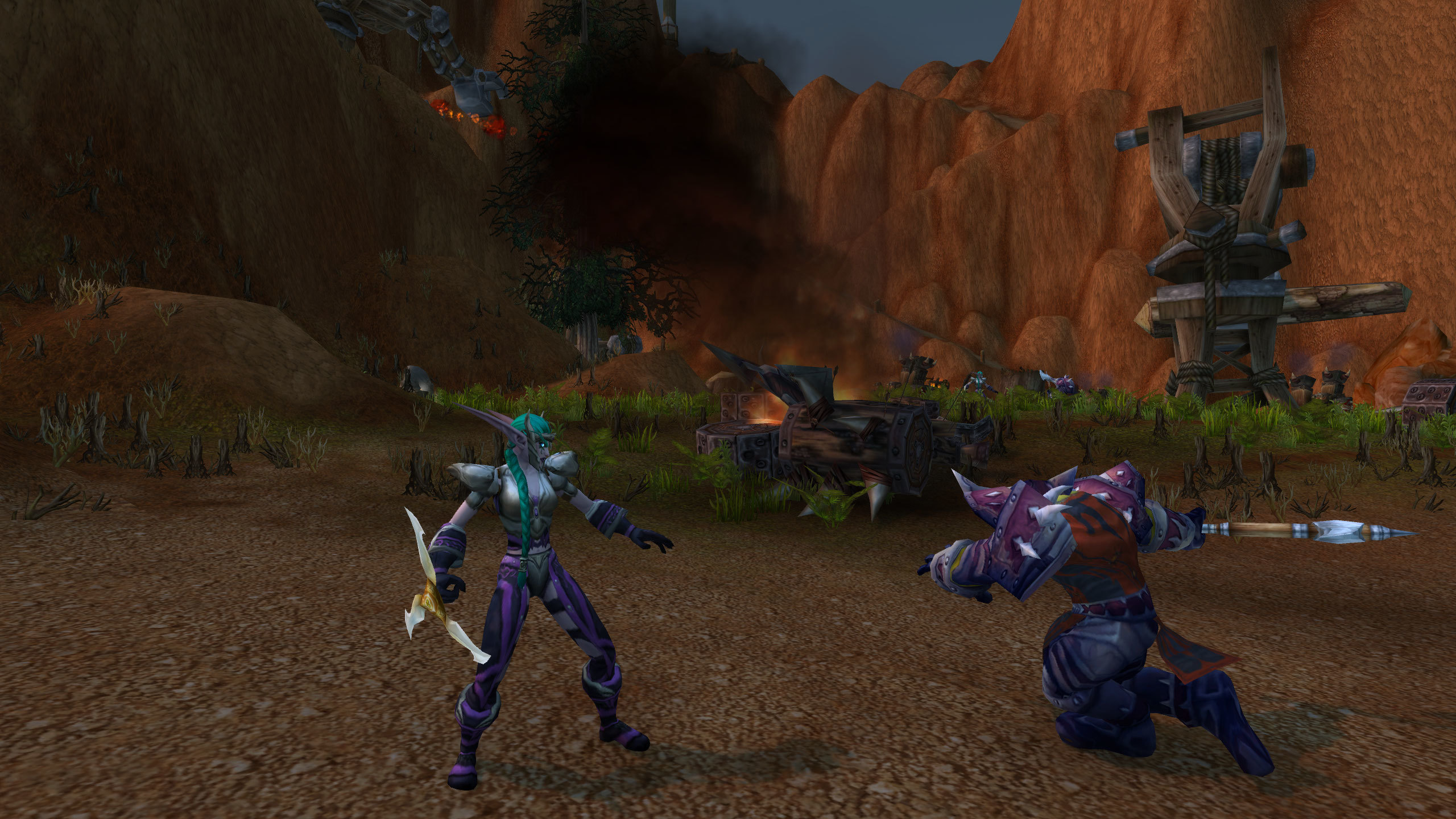
This encourages experimentation and deeper understanding of class mechanics.
The Appeal of Self-Reliant Progression
Solo endgame content offers freedom from scheduling and group dependency. Progress depends entirely on the player, creating a clear link between effort and reward.
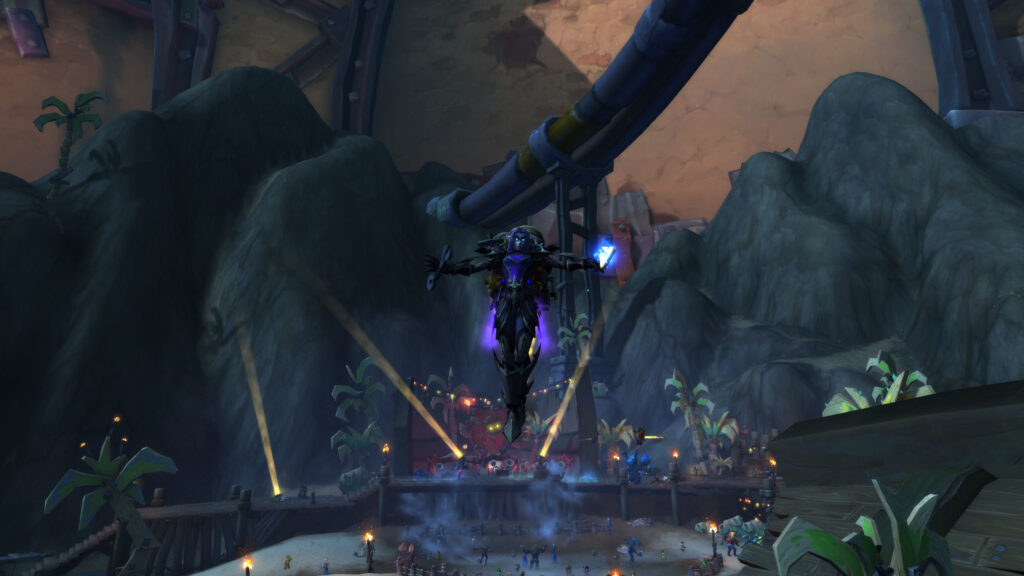
This autonomy appeals strongly to players seeking meaningful challenges on their own terms.
Conclusion
The expansion of solo endgame content marks a major shift in progression design. By introducing high-risk, scaling challenges, the game rewards self-reliance, mastery, and persistence, giving solo players an endgame experience that stands on equal footing with group content.