

Jumping into raids in World of Warcraft can be an exhilarating experience if you’re prepared. Start by learning the different raid types like Normal, Heroic, and Mythic, which cater to varying skill levels. Familiarize yourself with essential roles: Tanks, Healers, and DPS (Damage Dealers), each with unique responsibilities. Equip your character with optimized gear and consumables, and use community tools like Group Finder to join a raid group that fits your style, whether casual or hardcore. Effective communication and understanding basic mechanics like positioning and cooldowns are vital. Master these basics and you’ll discover even more advanced strategies and tips.
Key Takeaways
- Raid Types: Understanding Normal, Heroic, Mythic, and Raid Finder levels helps choose the appropriate challenge based on skill.
- Essential Roles: Know the responsibilities of Tanks, Healers, and DPS to perform effectively in any raid.
- Character Preparation: Optimize gear, talents, and manage cooldowns; stock up on necessary consumables for raid readiness.
- Finding Groups: Utilize in-game tools, community websites, and consider guilds to find suitable raid groups that match your playstyle.
- Communication Strategies: Use voice tools like Discord for coordination, discuss strategies, and maintain positive, constructive communication during raids.
Understanding Raids
Why should you plunge into the thrilling world of raids in World of Warcraft? Raids are where the game truly comes alive, offering a unique blend of challenge, camaraderie, and epic loot. To get started, you need to understand the different raid types and how raid difficulty works.

There are several raid types, each designed to test your skills and teamwork. Normal raids are the entry-level option, providing a manageable challenge for most players. Heroic raids step up the difficulty, demanding tighter coordination and better gear. Mythic raids are for the elite, offering the highest level of challenge and the best rewards. Finally, there’s the Raid Finder, which allows you to join a group of random players to experience raids without the stress of finding a dedicated team.
Understanding raid difficulty is essential. Each level presents tougher enemies and complex mechanics requiring precise execution. As you progress, you’ll face bigger bosses with more devastating abilities. Be prepared to strategize and collaborate closely with your team.
Essential Raid Roles
In the dynamic world of raiding, understanding the essential roles is a key ingredient to your team’s success. Each raid comp typically includes tanks, healers, and damage dealers (DPS), each with unique duties. Tank responsibilities are paramount; you’ll need to manage enemy aggression and positioning to protect your team. Additionally, effective cooldown management is critical for survival during intense boss mechanics.
Healer roles are equally significant. You’re tasked with maintaining the health of your raid members, which means balancing immediate heals and proactive buff maintenance. Healers also need sharp debuff awareness to cleanse harmful effects that could otherwise wipe the raid.
Damage dealers bring the firepower. Your goal is to inflict maximum damage while avoiding detrimental mechanics. Understanding utility functions, such as interrupting enemy spells or providing group buffs, can greatly enhance your team’s performance.
Strong raid comps require a balance of all these roles. You’ll often need players who can flex between functions to fill in gaps and adapt during encounters. Remember, smooth communication and cooperation are key. With each role fulfilling its responsibilities, your raid stands a much better chance of conquering the challenges ahead.
Preparing Your Character
Preparing your character for raiding takes more than just gearing up. You’ll need to focus on spec gear, ensuring your character is equipped with the best items tailored for your specific role. Whether you’re a tank, healer, or DPS, investing in the right gear can make or break your performance in a raid.
Next, consider talent refinement. Talents can dramatically affect your abilities and effectiveness. Take the time to research and choose the most effective talent build for your class and spec. Websites like Icy Veins or Wowhead can offer guidance based on the latest patch updates.
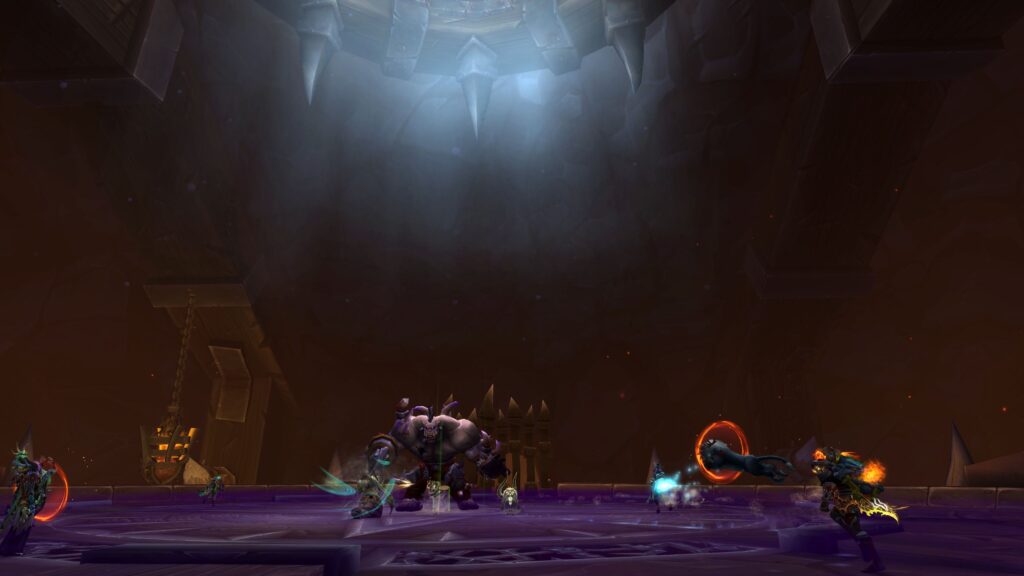
Consumable preparation is another critical aspect. Stock up on flasks, potions, and food buffs that boost your primary stats. Also, consider raid-wide consumables like healthstones provided by a Warlock to increase your team’s sustainability.
Lastly, master your cooldown management. Knowing when to use your powerful abilities can greatly impact your raid’s success. Practice timing your cooldowns to align with the raid leader’s strategy or key moments in a boss fight.
Finding a Raid Group
With your character ready for action, the next step is finding a raid group that fits your needs and schedule. Raiding in World of Warcraft comes in various forms, so understanding raid group types is essential. There are casual groups that focus more on fun and social interaction, perfect if you’re still honing your skills. On the other end, hardcore groups prioritize efficiency and speed, expecting high-level performance and commitment.
Start by checking in-game tools like the Group Finder. It’s a convenient way to see available groups and their requirements. Additionally, browsing forums and community websites can introduce you to guilds that regularly raid and are seeking new members.
Don’t underestimate the power of finding friends in-game. Engaging with fellow players through dungeons, world quests, and PvP can lead to lasting connections and raiding opportunities. Be vocal about your interest in raiding and consider joining a guild that aligns with your interests.
Communication Strategies
Effective communication can make or break a raiding experience in World of Warcraft. Utilizing voice tools like Discord or in-game voice chat is essential for maintaining signal clarity during intense battles. Clear communication guarantees everyone knows their role assignment, whether you’re tanking, healing, or dealing damage.
Participate actively in tactic discussions before and during the raid. Sharing information about boss mechanics, positioning, and cooldown usage will enhance your team’s performance. Establish feedback loops so players can quickly adjust their strategies based on what works and what doesn’t. This iterative approach leads to consistent improvement and success.
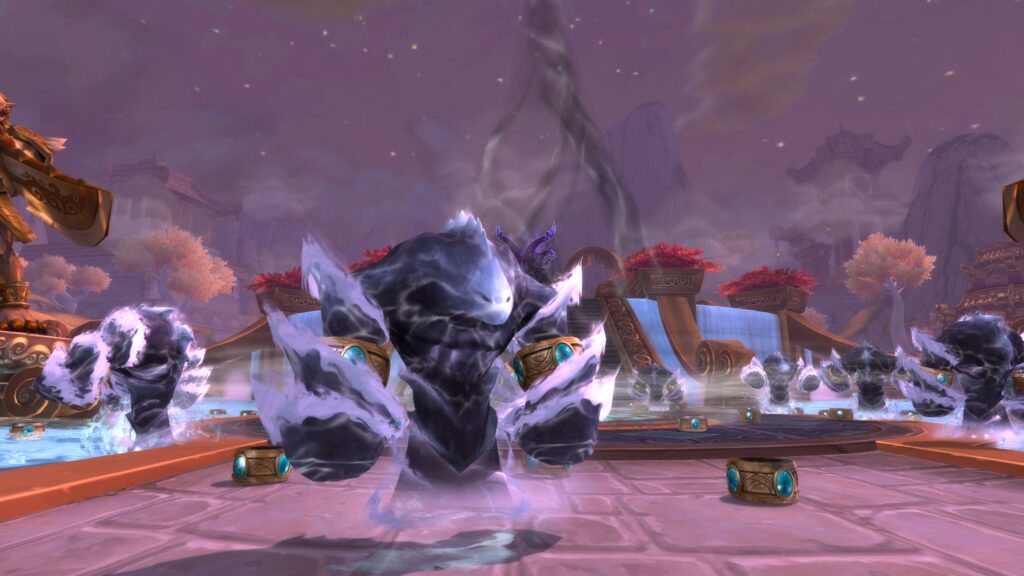
Emotional support is often overlooked but equally important; a positive environment boosts morale and performance. When conflicts arise, prioritize conflict resolution to maintain team harmony. Address issues calmly and constructively, focusing on solutions rather than blame.
To streamline communication, designate specific channels or roles for different purposes like tactical planning and casual banter. This approach prevents essential messages from getting lost. Effective information sharing keeps everyone updated and prepared, reducing the likelihood of misunderstandings.
Raid Etiquette
Just as communication lays the foundation for a successful raid, adhering to proper raid etiquette guarantees a smooth and enjoyable experience for everyone. One key aspect of raid etiquette is understanding and managing raid expectations. Before diving into a raid, make certain you’re familiar with the raid’s requirements, including gear and role-specific responsibilities. This avoids unnecessary delays and guarantees that everyone contributes effectively.
Respecting group dynamics is equally crucial. Remember, a raid is a team effort, and every member plays a crucial role. Be mindful of others’ time by arriving on schedule and being prepared with flasks, food, and any necessary consumables. If you need a break, communicate it clearly and in advance, so others aren’t left waiting or scrambling to adjust.
Moreover, constructive communication is fundamental. If a raid leader offers feedback, take it graciously; it’s aimed at improving the team’s success. Avoid negative comments or blaming others when things go wrong. Instead, focus on what can be improved and maintain a positive attitude. By following these etiquette guidelines, you foster a cooperative environment that enhances the overall raiding experience for yourself and your team.
Basic Raid Mechanics
Understanding basic raid mechanics is crucial to mastering World of Warcraft’s endgame content. You’ll encounter various raid objectives and encounter types that require specific strategies and teamwork. Grasping these core components will notably improve your performance and contribution to your raid group.
Here’s a breakdown of key raid mechanics:
| Mechanic | Description | Importance |
|---|---|---|
| Positioning | Proper placement to avoid damage zones | Prevents unnecessary damage |
| Cooldowns | Timely use of abilities | Maximizes raid efficiency |
| Adds | Additional enemies during encounters | Focusing down targets efficiently |
| Phases | Shifts in boss behavior or mechanics | Adapt strategies as battle evolves |
| Interrupts | Stopping enemy spell casts | Prevents devastating effects |
Positioning guarantees you avoid damage zones, like fire or void zones, preserving your health and mana. Cooldown management is crucial, allowing you to dish out maximum damage or healing at critical moments. Adds, or additional enemies, often appear during encounters and must be dealt with swiftly to avoid overwhelming your group. These fights typically involve phased mechanics, requiring adaptive strategies as the battle progresses. Interrupting enemy spell casts is essential too, preventing severe effects that could wipe your team.
Strategies for Boss Fights
Mastering basic raid mechanics sets the foundation for tackling the more complex challenges presented by boss fights. Boss fights often involve multiple phases, each with unique mechanics that require precise execution. First, familiarizing yourself with debuff management is essential. As debuffs can notably weaken your team, it’s important to know who should handle cleansing them and when. Consistent communication with your raid team helps guarantee these debuffs are removed efficiently.
Healing rotations are another significant component. Establish a schedule with your healers so everyone understands their assigned roles and timings. This rotation ensures that healing cooldowns are spread throughout the fight, keeping the raid group as healthy as possible. Overlapping major cooldowns can be wasteful, so coordination is key.
Positioning is also fundamental in boss fights. Melee DPS should stay behind the boss to avoid frontal attacks, while ranged DPS and healers should spread out to minimize area-of-effect (AoE) damage. Practice makes perfect, so run through each phase multiple times to get comfortable with the flow of the fight.
Improving Your Performance
Enhancing your performance in World of Warcraft raids hinges on a combination of preparation, skill, and adaptability. Initially, focus on gear optimization. You’ll need to confirm your gear is appropriately enchanted and socketed, maximizing your damage output or healing efficiency.
Cooldown management is essential. Know when to use your abilities to maximize their impact without wasting valuable time. Additionally, effective threat control keeps the fight smooth by making sure tanks hold aggro while DPS and healers do their jobs without distraction.

Situational awareness and resource management often make the difference between success and failure. Always be aware of your surroundings and understand both your own position and that of your teammates. Efficient resource management guarantees you’re never without mana, energy, or other fundamental resources at critical moments.
Building on class synergies can further boost your raid’s overall performance. Coordination with your teammates can leverage each class’s strengths for ideal results.
| Aspect | Focus Area | Key Action |
|---|---|---|
| Gear Optimization | Enchantments/Gems | Maximize primary stats for your role |
| Cooldown Management | Ability Timing | Use abilities when they’re most impactful |
| Healing Efficiency | Spell Rotation | Prioritize spells for maximum healing output |
| Threat Control | Aggro Management | Confirm tanks keep threat, DPS manages theirs |
| Situational Awareness | Positioning | Keep an eye on the battlefield and raid team |
Frequently Asked Questions
How Does Loot Distribution Work in a Raid?
Loot distribution in a raid can vary based on different loot systems. Many guilds use systems like DKP, EPGP, or Loot Council to determine who gets what. It’s essential to understand and follow raid etiquette to maintain a smooth and fair environment. Typically, you’ll need to wait for the raid leader to announce loot rolls or distribution rules before claiming any items. Always communicate and respect the group’s decisions.
What Add-Ons Are Recommended for Raiding?
Ever wondered how to optimize your raiding experience with ease? You should consider add-ons like Deadly Boss Mods for detailed strategy guides on boss mechanics, and Healbot for managing healing roles effectively. For tracking your performance, Skada Damage Meter is excellent. Communication tools like Discord for coordination and scheduling apps like RaidPlanner make organizing raids simple. These tools help streamline your raid, keeping everyone informed and performing at their best.
Can I Raid With Friends From Different Servers?
Yes, you can raid with friends from different servers using cross server raiding. It makes party coordination effortless, allowing you to form a team with friends from any territory. Just create a group in the Group Finder tool or use Battle.net to invite them. This feature promotes inclusivity and guarantees you don’t miss out on raiding experiences with friends, regardless of their server. Embrace the dynamic world of cross server adventures!
How Often Do Raid Tiers Change or Reset?
Raid tiers generally last several months, but there’s no fixed rule. Blizzard often releases new content based on game development timelines, so the raid tier duration can vary. However, the reset schedules for raids are weekly, usually occurring every Tuesday. Keeping track of these reset schedules lets you optimize your progress. By staying updated on announcements, you can make the most of each raid tier duration and plan accordingly.
Are There Any Specific System Requirements for Raiding?
Yes, there are specific system requirements for raiding. To guarantee smooth raid preparation, your system needs to meet certain standards. You should have a decent CPU, enough RAM, and a good GPU to handle the graphics. Fast, stable internet is essential. Different class roles might require specific addons, so make certain your system can handle those too. Meeting these requirements guarantees an engaging and functional raiding experience.
Conclusion
You’ve covered a lot of ground on your raiding journey in World of Warcraft. Remember, practice makes perfect, so keep honing your skills. Don’t forget, you’re not just a player — you’re part of a team. With solid preparation and good communication, you’ll hold your own when the chips are down. Embrace the challenges and enjoy the victories. Now, it’s time to take the plunge and immerse yourself in your next raid with confidence. Happy raiding!