

From the first Copper Veins in Elwynn Forest to the rarest herbs blooming across the Dragon Isles, World of Warcraft’s resource nodes do much more than supply crafting materials. They are one of the game’s most subtle but effective storytelling tools. Every ore deposit, herb patch, and hidden treasure node is placed with intention, reflecting the geography, history, and magical forces shaping a zone. These nodes create a believable world where natural resources emerge logically from the landscape rather than being sprinkled randomly.
For many players, gathering professions are simply a source of gold or crafting fuel. But to those who look closely, resource nodes reveal ecological patterns, ancient conflicts, magical currents, and cultural influences embedded in zone design. This article explores how Blizzard uses node placement as environmental storytelling and why these details add richness to every corner of Azeroth.
Resource Nodes Begin With Geographic Logic
Blizzard’s world-building philosophy ensures that the landscape itself dictates where natural resources appear. Ores grow in mountainous regions, rocky cliffs, and subterranean caverns. Herbs thrive in fertile soil, wetlands, enchanted groves, or volcanic plains. Elemental-themed zones host magical plants or minerals aligned with their dominant energy type. These patterns make Azeroth feel like a living ecosystem rather than a game board.
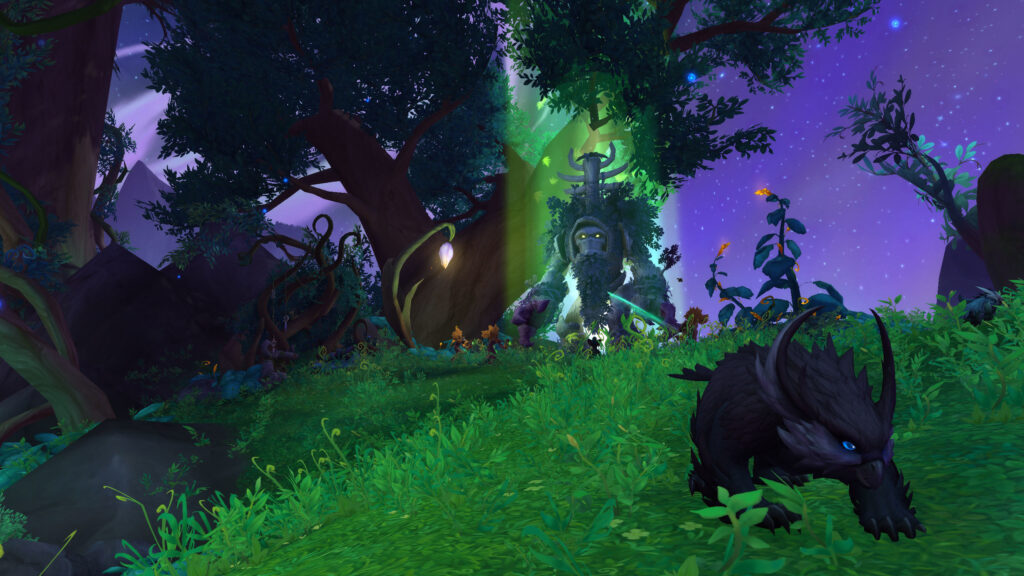
Geographic consistency builds trust between the player and the world, encouraging exploration grounded in environmental logic.
Historical Conflicts Influence Node Placement
Zones scarred by war, arcane explosions, titan activity, or elemental upheaval often contain rare or volatile resources. Fel-tainted minerals appear in regions corrupted by demons. Arcane-infused herbs rise from areas drenched in magical residue. Primal fire or frost plants emerge in zones shaped by elemental lords. These resources reflect not only nature but also battles long forgotten by modern inhabitants.
Gathering from these zones feels like uncovering geological records of past events.
List: Zone Themes and Their Associated Resource Patterns
Different types of zones produce distinct resource identities that reinforce their history and environmental conditions.
- Forest Zones: Abundant herbs, wildlife-infused plants, and early-tier ore near rocky borders.
- Volcanic Regions: Fire-aligned herbs, obsidian-like ores, and rare volatile nodes.
- Swampy Areas: Mushrooms, waterlogged plants, and materials tied to decay or moisture.
- Titan-Themed Zones: Arcane-infused metals and crystalline herbs linked to structured energy.
- Elemental Lands: Resources that match the dominant elemental forces—air, earth, fire, or water.
- Haunted or Cursed Spaces: Shadow-touched herbs or minerals containing echoes of the undead.
These resource identities help players understand a zone’s nature at a glance.
Magical Influence Creates Unique Gathering Experiences
Some resources appear only under magical conditions. Lunar herbs bloom only at night. Arcane crystals resonate when titan machinery is nearby. Rare spawn nodes pulse with fel or void energy depending on the zone’s lore. These magical influences create gathering patterns that feel thematic and rewarding.
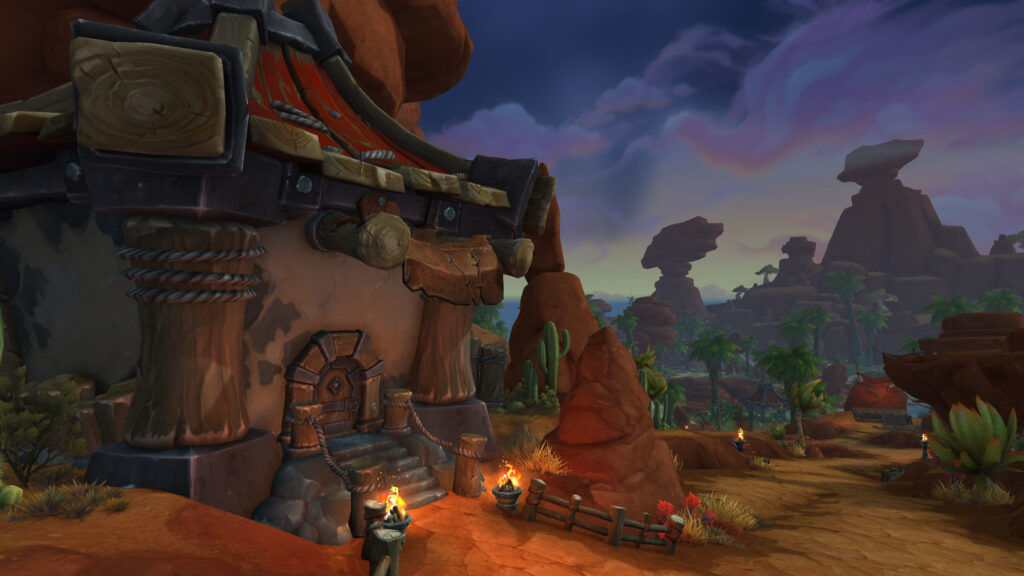
Players often remember these moments because they tie gameplay directly to world narrative.
Node Density Reflects Cultural and Environmental History
Civilized areas have fewer natural nodes, representing urbanization and long-term harvesting. Untouched wilderness zones overflow with herbs and ores. Regions recovering from war show regrowth patterns, while cursed lands may have barren sections with only sparse magical resources. These density choices tell subtle stories about how each zone has evolved.
The landscape feels lived in, shaped by both history and ecology.
Rare Nodes Often Mark Lore-Relevant Locations
Blizzard frequently places rare nodes near points of interest—ancient ruins, titan vaults, dragon nests, ley line intersections, or elemental anomalies. These placements encourage players to explore deeper into lore-rich regions. Finding a valuable herb or ore deposit is often a reward for curiosity, guiding players into hidden corners of the world.
These rare placements add purpose to exploring every inch of a zone.
Seasonal and Environmental Variants Add Depth
Some expansions introduced weather-sensitive nodes, elevation-based plants, or materials affected by environmental cycles. Snowy regions host cold-resistant flora. Sun-drenched deserts grow hardy plants with unique properties. Underwater zones produce aquatic herbs shaped by the tides. These variations highlight environmental storytelling and give zones greater depth.
Gathering becomes an act of environmental exploration instead of a routine loop.
Resource Value Reflects Difficulty and Lore Weight
High-level zones with high danger often produce the most valuable resources. This design mirrors fantasy logic: rare minerals form in unstable regions, powerful herbs flourish where magic saturates the land, and dangerous creatures protect rare materials. These relationships reinforce narrative stakes and reward players for venturing into riskier territory.
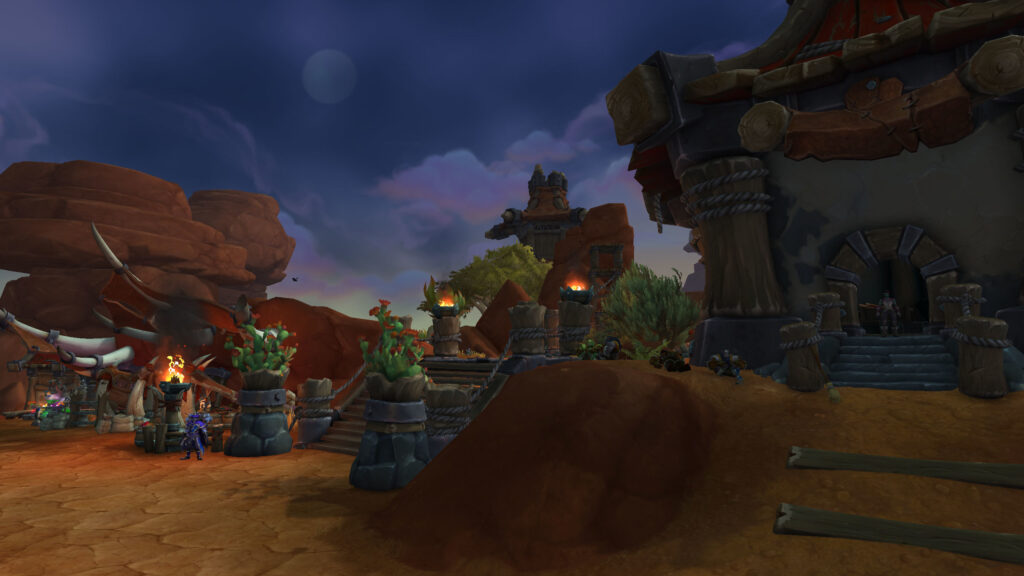
The economy of gathering makes thematic sense because danger and value align naturally.
Nodes Support Worldbuilding Through Crafting Progression
Crafting materials derived from zone-specific resources tell stories through their recipes. Fire-aligned metals become weapons steeped in flame magic. Herbs grown in titan-infused zones become potions that amplify arcane energy. These cross-system connections deepen immersion by tying crafting results to the geography and history of their components.
Every crafted item becomes a piece of storytelling rather than a simple stat upgrade.
The Future: Dynamic Node Systems
The War Within and future expansions introduce more dynamic world systems that may influence node availability—shifting ley lines, reawakening elemental regions, and evolving biomes. These changes offer opportunities for resource nodes to become even more reactive, thematic, and tied to ongoing world events.
Gathering could evolve into a more narrative-driven experience as the world continues to change.
Conclusion
Resource nodes in World of Warcraft serve a greater purpose than feeding professions. They reflect the geology, history, magic, and cultural influences of each zone. Their placement guides exploration, teaches players about environmental storytelling, and anchors the world in a believable ecosystem. By tying gathering to narrative and world-building, Blizzard turns even the smallest ore deposit or herb patch into a meaningful part of Azeroth’s living landscape.
For players who take the time to observe, every resource node tells a story—and together, they reveal the world’s history one gathering route at a time.